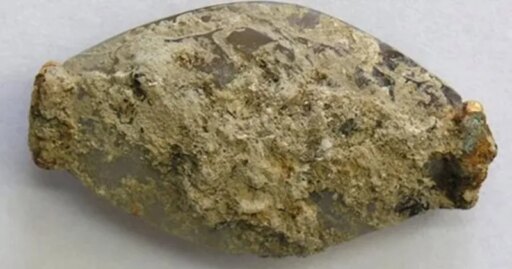
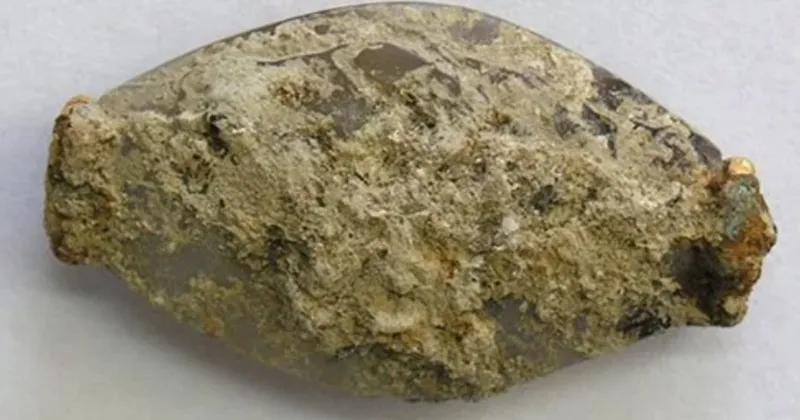

Archeologists have uncovered a 3500-year-old artifact in an untouched tomb. At first, it could seem like nothing, however what they discovered on the traditional stone is altering historical past as we all know it.
The unearthing of the tomb of the so-called “Griffin Warrior” close to the traditional metropolis of Pylos in southwest Greece led archeologists to a treasure trove of discoveries that give us an enchanting glimpse into the previous. Among the many tomb belonging to the “Griffin Warrior,” a brilliant rich historical Mycenaean warrior, had been spectacular items of armor, weapons, and jewels. Nevertheless, one piece that nearly went unnoticed might rewrite the historical past of artwork as we all know it.
Though the tomb was initially found in 1930, authorized points with the Greek authorities restricted excavations till current years. The tomb has lastly been unearthed, and archeologists from the College of Cincinnati had been excited to lastly uncover what secrets and techniques it had been hiding among the many stays of the highly effective Myceneaen warrior and his treasure trove of burial riches.
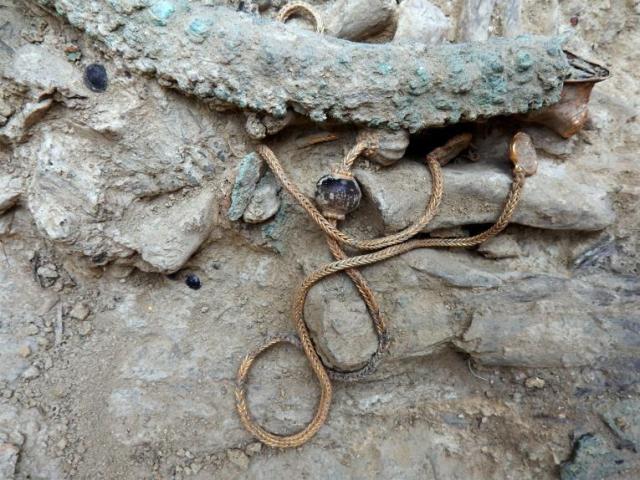
After some three dozen researchers labored collectively to meticulously dig out the Griffin Warrior tomb close to the traditional Palace of Nestor, taking many months to uncover lots of the treasures, they lastly revealed their beautiful discoveries.
Among the many greater than 3,000 objects arrayed on and across the warrior’s physique had been silver cups, gold rings, treasured stone beads, fine-toothed ivory combs, an intricately constructed sword, and different weapons, however maybe probably the most superb of all of them was one gem, courting again to 1,500 BC, that was notably surprising.
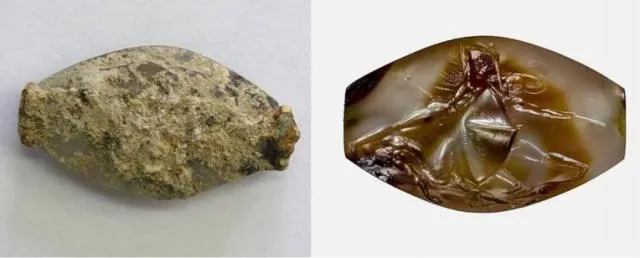
The agate stone at first appeared pretty insignificant because it was caught in limestone. Nevertheless, after a 12 months of cautious restoration, researchers lastly uncovered one thing beneath the limestone that would depart them shocked past perception.
The stone had been intricately carved with a design that includes two warriors in a Greek battle clashing towards one another fiercely with one fallen warrior at their ft. One bare-chested warrior plunges a blade into the neck of an assailant, whereas a second enemy corpse lays at his ft.
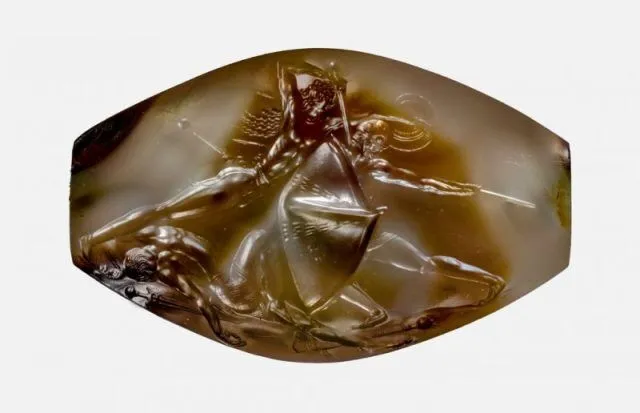
“The seal, named the ‘Pylos Fight Agate’ has been hailed as one of many most interesting works of prehistoric Greek artwork ever found and should depict the mythological battle between the Trojans and Mycenaeans, which was instructed in Homer’s Iliad lots of of years later,” The Telegraph reported.
The stone is barely about 3.6 centimeters or 1.4 inches broad, and a number of the particulars within the design are just one/2 a millimeter or 1/100 of an inch. It will have been used as a seal, making an impression in wax, however how the artist was capable of make such an in depth carving on such a tiny canvas with historical instruments had everybody in awe.
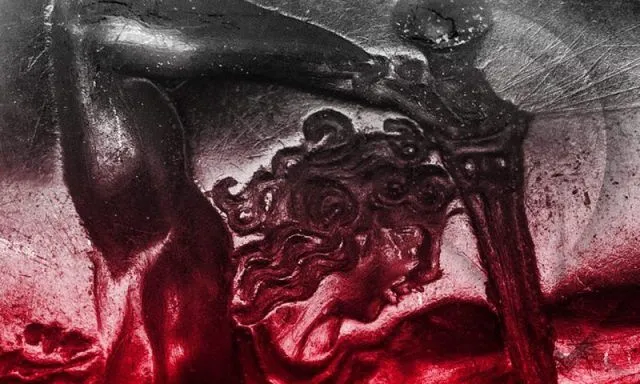
Depicting human our bodies in such anatomical element was considered approach past the talent of Bronze Age artisans, but the artist’s carving is positively flawless with an unbelievable stage of element put into the tiny scene.
Much more unbelievable, lots of the particulars such because the ornamentation on the shields and jewellery are too small to be seen with the bare eye. It baffles researchers, who do not know how historical craftsmen had been capable of create the minute scene with out microscopes.
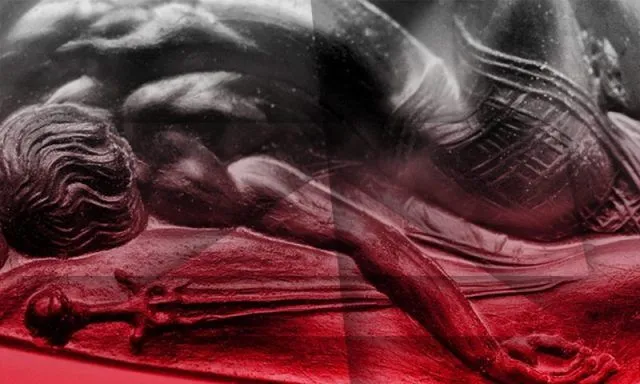
Researchers at the moment are attempting to determine how historical craftsmen had been capable of create such intricate designs with the instruments that they had accessible. The invention has additionally turned the artwork historical past world on its head as a result of a chunk like this was unparalleled throughout that point interval.
“What’s fascinating is that the illustration of the human physique is at a stage of element and musculature that one doesn’t discover once more till the classical interval of Greek artwork 1,000 years later. It’s a spectacular discover,” Jack Davis, Professor of Greek Archaeology on the College of Cincinnati’s Division of Classics, defined. “A number of the particulars on this are solely a half-millimeter huge, they’re incomprehensibly small,” he furthered.
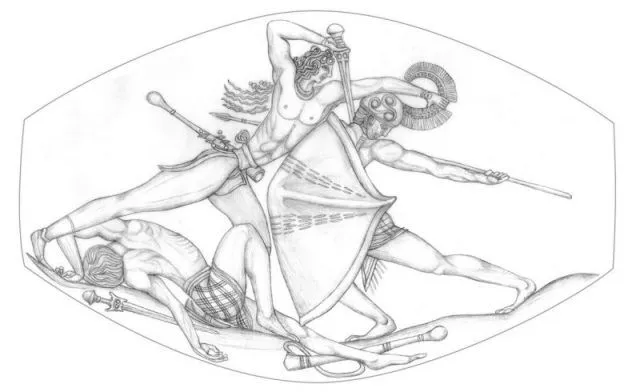
“Evidently they had been producing artwork of the kind that nobody ever imagined they had been able to producing,” Professor Davis continued. “It exhibits that their means and curiosity in representational artwork, notably motion and human anatomy, is past what it was imagined to be. Mixed with the stylized options, that itself is simply extraordinary.”
“Wanting on the picture for the primary time was a really transferring expertise, and it nonetheless is,” dig chief Shari Stocker of the College of Cincinnati’s Division of Classics stated. “It’s introduced some folks to tears. It will have been a useful and prized possession, which definitely is consultant of the Griffin Warrior’s position in Mycenaean society.”
“This seal needs to be included in all forthcoming artwork historical past texts and can change the way in which that prehistoric artwork is seen,” Stocker concluded, proving that even probably the most accepted info about human historical past will be modified with one small discovery.
With over 3,000 objects unearthed from the tomb, many are nonetheless being labored on and examined, and we are able to solely marvel what different surprises await. Who is aware of what else has but to be uncovered that would rewrite historical past as we all know it.